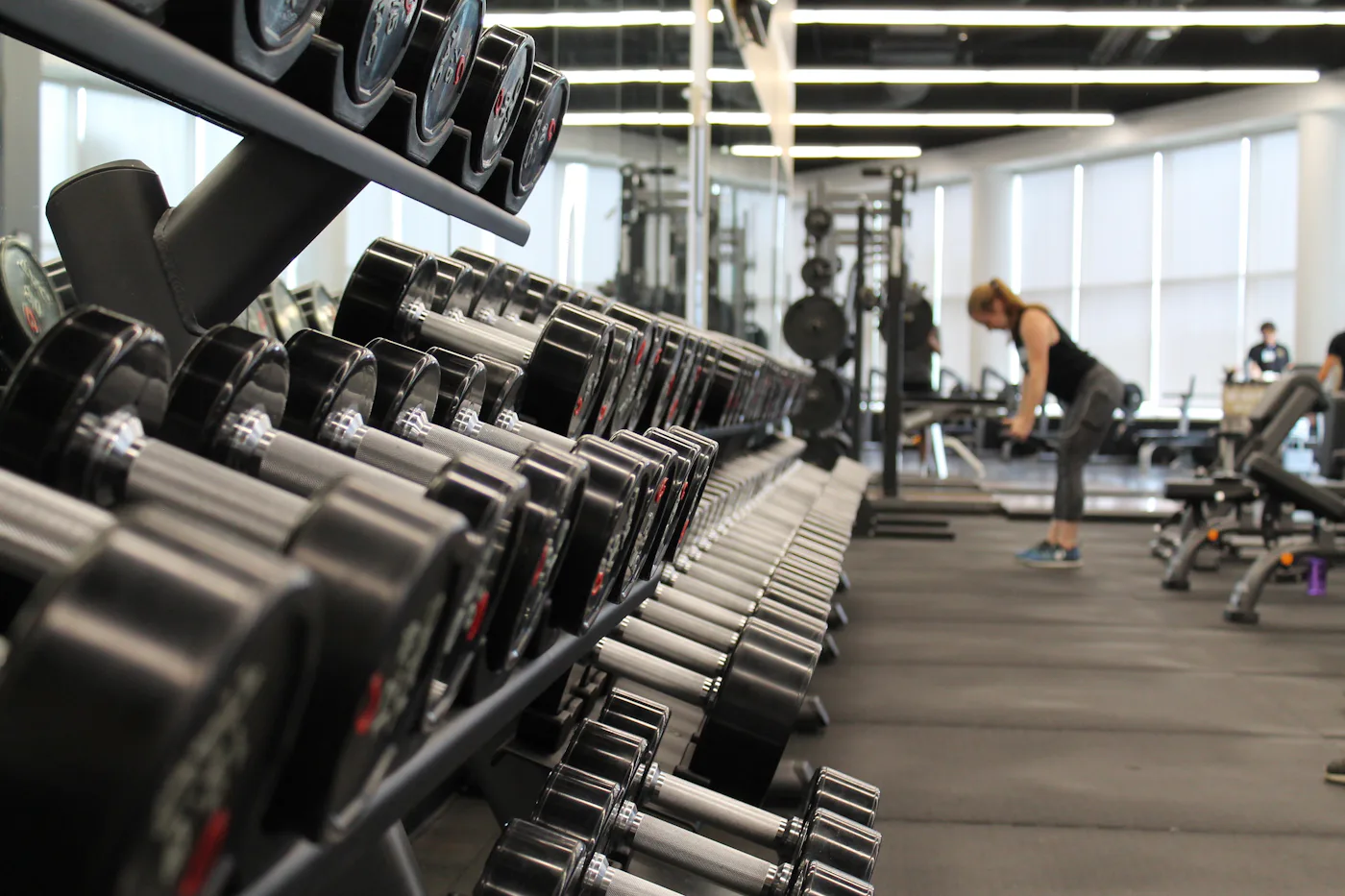
A gym floor protects the slab, the equipment and the people using it. It also has to keep noise and vibration from reaching the neighbours. Papa Flooring supplies and installs rubber gym flooring in Vancouver and fitness centre flooring across Greater Vancouver, for independent gyms, studios, condo amenity rooms and corporate fitness spaces.
Matching the floor to each training zone
One thickness of rubber does not suit a whole gym. Free weights, cardio, studios and change rooms each need something different.
| Zone | Recommended system | Why |
|---|---|---|
| Free weights and functional training | Thicker rubber tiles or rolled rubber | Absorbs dropped weights and protects the slab |
| Olympic lifting | Dedicated lifting platforms | Concentrated impact protection where bars are dropped |
| Cardio and machine areas | Thinner rolled rubber | Stable under equipment, quieter, easy to clean |
| Group fitness, yoga and spin studios | Sport vinyl or LVT | Smooth, consistent surface for movement classes |
| Change rooms and showers | Slip-resistant sheet vinyl or safety flooring | Traction on wet floors, cleanable |
| Reception and lounge | Commercial LVT or polished concrete | Durable first impression that handles wet shoes |
Rubber flooring at the right thickness
Rubber is the workhorse of gym flooring installation. Thicker material goes where weights are dropped, thinner material under cardio and machines, and lifting platforms concentrate protection where it is needed most. Choosing the right thickness per zone avoids paying for heavy rubber where it is not needed. Rubber, along with slip-resistant change room floors, is part of our safety and rubber flooring service.
Studios, change rooms and reception
Group fitness rooms need a smooth, even surface; sport vinyl or commercial LVT both work well and clean easily. Change rooms need slip resistance first. At reception, LVT or polished concrete gives a clean look and handles wet weather coming through the door.
Impact and noise on upper floors
Gyms above offices, shops or residential units need more than a rubber surface. Dropped weights and treadmill vibration travel through the structure. Upper-floor gyms often need an acoustic underlay or isolation layer beneath the rubber, and the right system depends on the building and the activities. We review the space with you and, where an acoustic consultant has set a specification, install to it.
Practical details we plan for
- Odour and off-gassing: rubber is acclimated on site before installation
- Level substrate so tiles sit flat and seams stay tight
- Moisture testing on slabs before adhesive is used
- Work around 24/7 operations, zone by zone, overnight where needed
- Equipment moved and returned as part of the phasing
Uneven or damaged concrete telegraphs through rubber and vinyl. Our subfloor preparation covers grinding, patching and self-levelling so the finished floor is flat and safe.
Fitness projects across Greater Vancouver
We install gym floors in Burnaby, Coquitlam, Langley and across the region. Send us your layout and equipment plan, or request a consultation, and we will recommend systems zone by zone with a clear proposal.
Frequently asked questions
How thick should rubber gym flooring be?
It depends on the zone. Free-weight and functional areas need thicker rubber, cardio areas can use thinner rolled rubber, and Olympic lifting areas benefit from dedicated platforms. We recommend thicknesses based on how each area is used.
Can you reduce noise from a gym on an upper floor?
Yes. Upper-floor gyms typically need an acoustic underlay or isolation layer under the rubber surface. The right build-up depends on the structure and the activity, and we install to an acoustic consultant's specification where one exists.
Does new rubber flooring smell?
New rubber can have a noticeable odour at first. We acclimate the material on site before installation and recommend ventilation, and the smell typically fades over the following weeks.
Can you install while our 24/7 gym stays open?
Yes. We phase fitness centre flooring zone by zone, often overnight, and move equipment as we go so members can keep training.
What flooring works best for a yoga or spin studio?
Sport vinyl or commercial LVT gives a smooth, consistent and easy-to-clean surface. Spin studios may also benefit from rubber under the bikes to manage sweat and vibration.